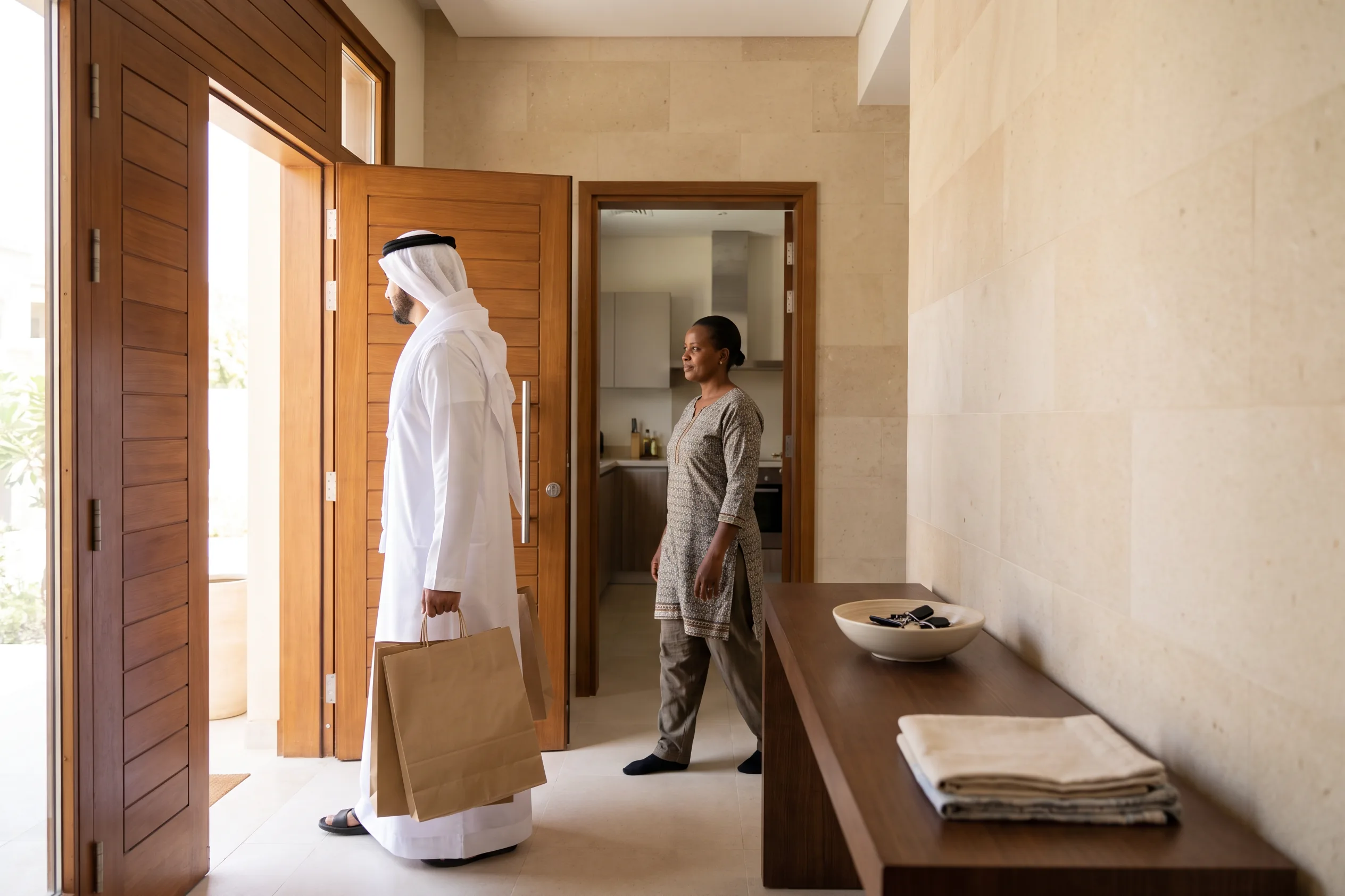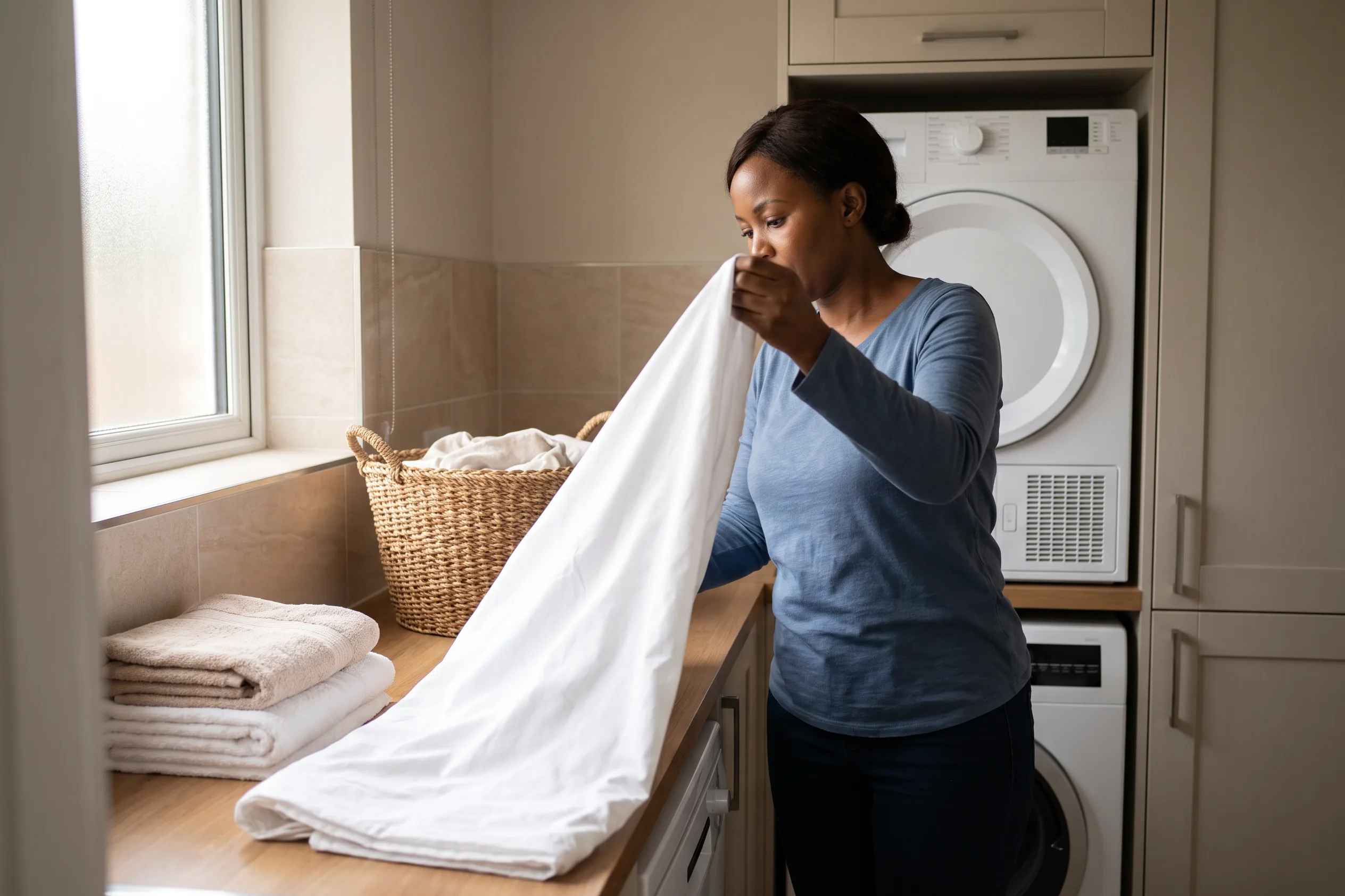
Searching for a house maid job vacancy in Dubai for female candidates usually means you want two things: real openings, and a straight answer on pay, visas and what's expected of you. This page covers both — what's listed, what to check before you apply, and what to ask once you're in front of an employer or agency.
Current Housemaid Job Openings in Dubai
Openings for housemaids, nannies, cooks, cleaners, caregivers, drivers, gardeners, general helpers and babysitters are posted by two kinds of profile-holders: workers who register themselves, and workers managed by licensed agencies. You can search live vacancies on /maid-jobs-dubai, or browse the wider board at /jobs if you're open to other GCC countries or other household roles.
When you find a listing that matches what you're looking for, you can message the employer or agency directly from it — there's no form to submit and wait on. The moment a listing catches your eye is the moment you can send the first message. How quickly the other side replies, and whether a same-day start is on the table, is down to them: that's agreed between you and the sponsor or agency, not set by anything in between.
What Salary Can Female Housemaids Expect in Dubai?
There's no single number here, and anyone who gives you one flat figure is simplifying. Pay for housemaid roles in Dubai depends on several things at once:
- Live-in or live-out. Arrangements range from hourly and daily to monthly, and from live-in to live-out, full-time or part-time, including weekends-only or weekdays-only setups.
- Experience. Profiles are typically banded as no experience, 1–2 years, 3–5 years, 6–10 years, or 10+ years, and pay tends to track that.
- Contract length. Roles can be temporary (1–6 months), short-term (6–12 months), long-term (1–2 years), permanent or renewable — often with a trial period attached.
- Agency vs. direct. Whether you're hired through an agency or arrange terms directly with a sponsor can change what ends up in your pocket.
Because the figure moves with all of that, treat any salary you're quoted as the starting point for a conversation, not a fixed rate. For a closer look at what shapes pay, see /blog/maid-salary-in-dubai-per-month and, if you're comparing against a specific nationality's going rate, /blog/full-time-indian-maid-in-dubai-salary-per-month.
Visa Sponsorship and Costs for Housemaid Jobs
Visas, work permits, medical certificates and travel arrangements are handled by the agency or the sponsor, under the rules of the country where the job is based — not by any platform you find the listing on. That's worth asking about directly: who is sponsoring the visa, and what, if anything, you're expected to contribute.
Current visa and permit fees are set by the immigration or labour authority of that country, and the amount changes from time to time, so check the current figure through official government guidance rather than relying on what a listing or an agency tells you it costs. For more on how visa sponsorship for this kind of role typically works, see /blog/housemaid-visa-costs-uae.
Requirements to Qualify for a Housemaid Job in Dubai
Requirements vary by employer and agency, but a few things come up consistently:
- Experience band. Listings usually specify no experience, 1–2 years, 3–5 years, 6–10 years, or 10+ years.
- Nationality. Candidates on most platforms come from a mix of backgrounds — commonly Ethiopian, Filipino, Indonesian, Sri Lankan, Indian, Bangladeshi, Nepalese, Kenyan and Ugandan.
- Documents. Expect to provide a passport, national ID, medical certificate, police clearance and experience letters. These are the documents typically checked before a profile goes live, though deeper checks — background screening, skills assessment — are usually the agency's responsibility, not automatic.
Keep digital copies of all of these ready. An employer or agency asking for them early is normal; one skipping straight past them is worth a second look.
How to Avoid Fake Job Offers and Scam Agencies
A genuine housemaid vacancy in Dubai will never ask you to pay to register, get listed, or apply. If someone asks for money up front to "process" your application or "reserve" a role, stop and verify who you're dealing with before sending anything.
A few checks worth running on any agency or employer you're unsure about:
- Ask whether they're licensed. Licensing is a matter for the agency itself to demonstrate, not something you should take on faith. A genuine agency can show proof of its licence in the country where it operates.
- Check whether documents are actually verified. Platforms that check uploaded documents — passport, ID, medical certificate, police clearance, experience letters — before a profile is listed give you a better starting point than one where anyone can post anything.
- Be wary of vague job details. A real listing names the role, the arrangement (live-in or live-out, hours, contract length) and lets you message the employer or agency directly. If none of that is specified, treat it as a red flag.
- Trust your own timeline. You control when you send the first message and who you respond to. Nobody should be pressuring you into a decision before you've seen the terms in writing.
What to Expect in Your First Month on the Job
The first weeks in a new household or a new country are an adjustment, whatever the arrangement. Expect a settling-in period while you and your employer work out routines, communication, and how the agreed hours or days off actually play out day to day. Employment terms, any replacement arrangements, and guarantees are things you and the sponsor or agency settle directly, and they're governed by the labour law of the country where you're working — so it's worth having those conversations before you start, not after.
For a fuller picture of what the adjustment period and daily routine usually look like, read /blog/first-month-in-the-gulf and /blog/maid-jobs-in-the-gulf-what-to-expect.
Questions to Prepare for Your Maid Job Interview
An interview for a housemaid role is a two-way conversation, not just a screening. Go in ready to answer questions about your experience, the tasks you're comfortable with, and your availability — and ready to ask your own:
- What exactly does the role cover — cleaning, cooking, childcare, elder care, or a mix?
- Is it live-in or live-out, and what are the hours and days off?
- Is this a temporary, short-term, long-term, permanent or renewable contract, and is there a trial period?
- Who is arranging and covering the visa, and what's expected of you in that process?
- What happens if either side wants to end the arrangement early?
A detailed walkthrough of what to ask and expect in the room is at /blog/what-to-ask-in-a-maid-interview.
FAQ
Is it free to apply for a housemaid job as a female candidate? Yes — registering, listing a profile and applying should never cost a candidate anything. If you're asked to pay to be considered for a role, that's a warning sign, not a normal fee.
Are there housemaid jobs in Dubai for women with no experience? Listings typically specify an experience band, including "no experience," so roles do exist at that level — though employers may have their own preferences, which you'll find out when you apply.
Do I need an agency, or can I apply directly? Both routes exist. Some workers register and are contacted directly by sponsors; others are managed by licensed agencies who list on their behalf. Neither route should charge you to apply.
Who pays for my visa if I get a housemaid job in Dubai? That's arranged between you and the sponsor or agency, following the rules of the country where you'll be working. Confirm who is covering it before you accept any offer, and check current fees through official government guidance.
What's the difference between live-in and live-out roles? Live-in means you reside with the household; live-out means you work set hours and return to your own accommodation. Both exist alongside hourly, daily, monthly, full-time, part-time and weekend-only arrangements — the specifics are set in the individual listing or agreed directly with the employer.