What 3 hours actually gets you (and what it doesn't)
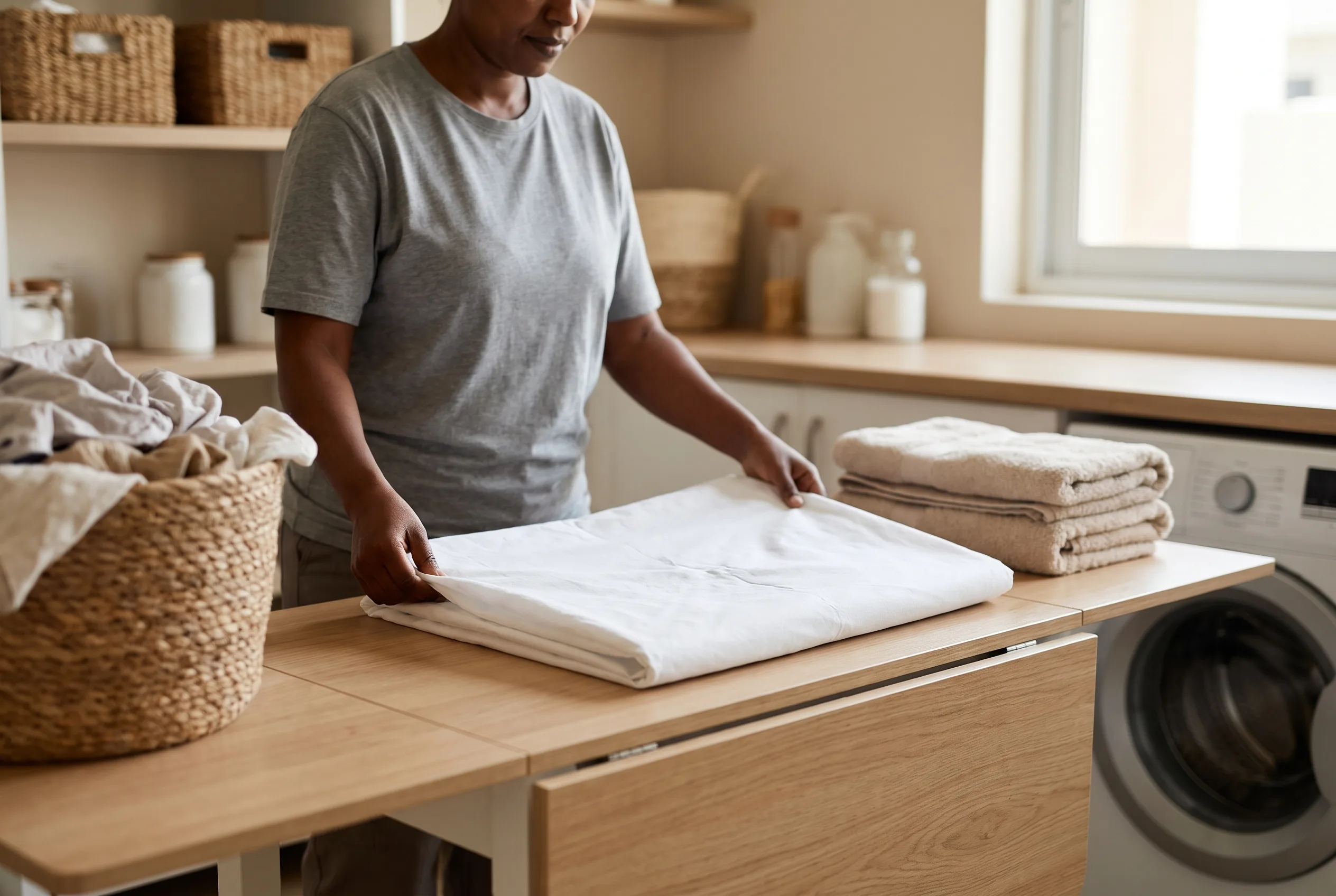
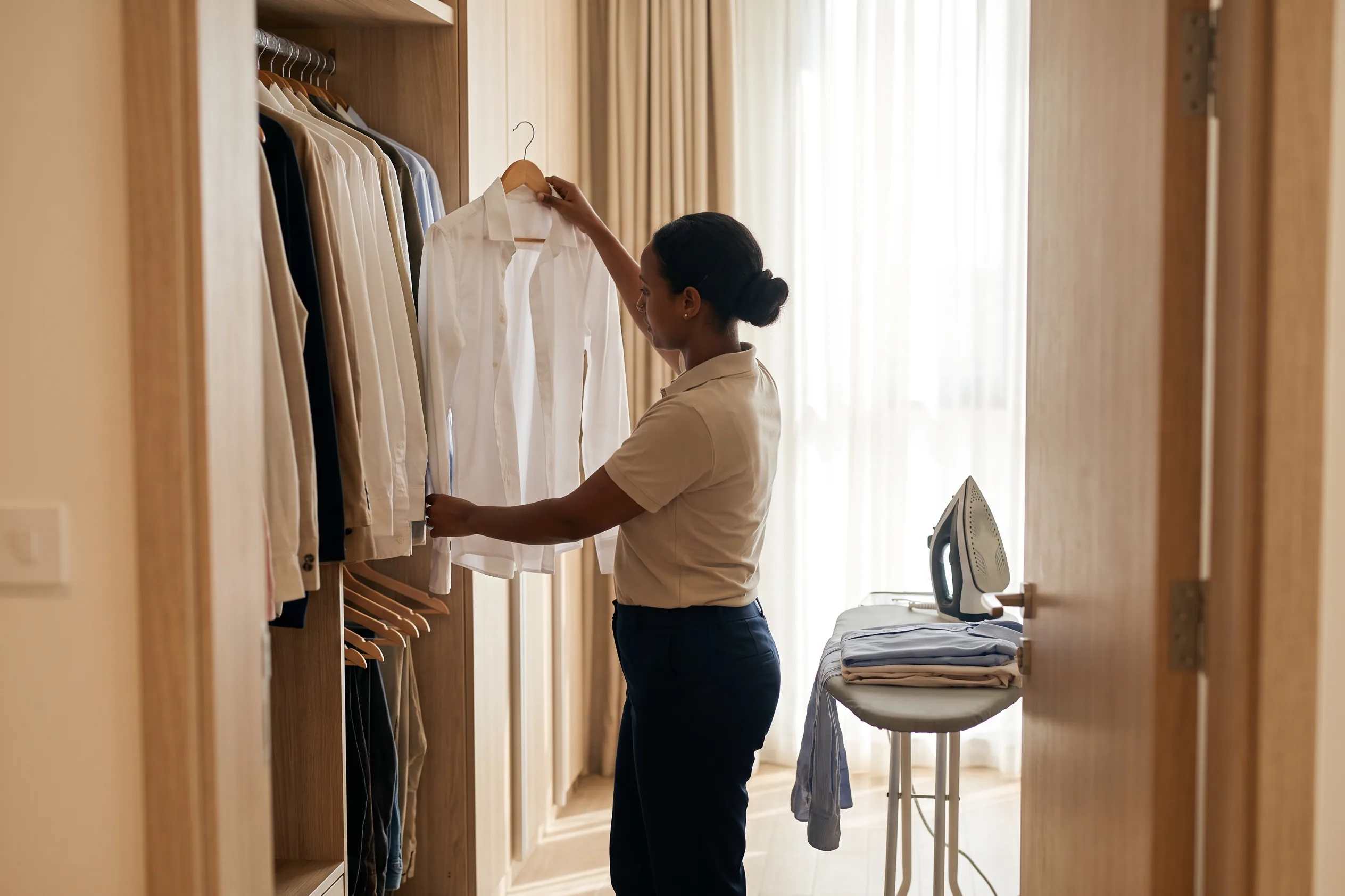
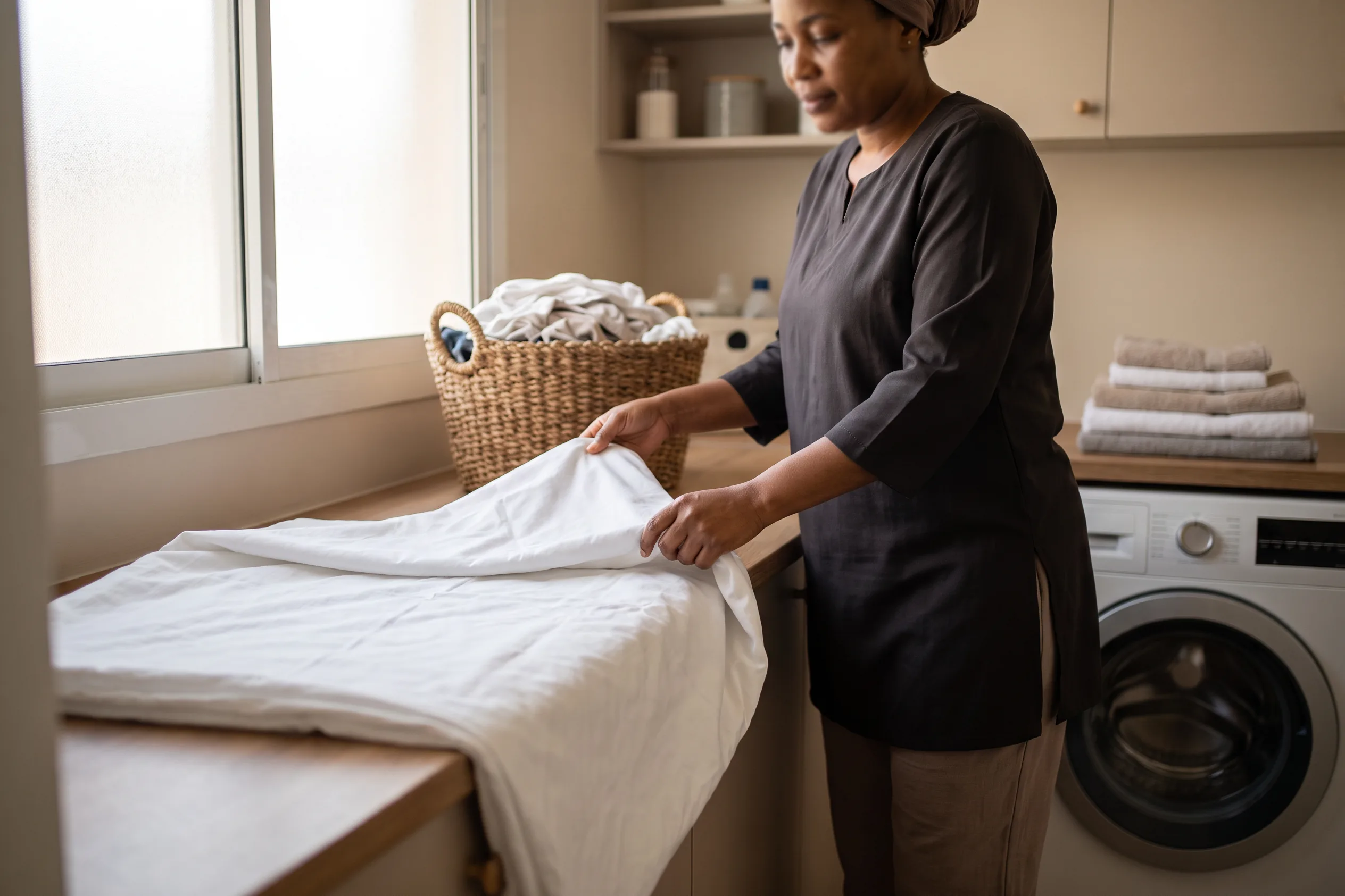
The honest answer to "what will a cleaner do in 3 hours" is: it depends on three things — how many cleaners are working, how big the home is, and what condition it's in when they start. A tidy one- or two-bedroom home with a single cleaner is a realistic match for three hours. A larger home, a first-time deep clean, or a move-out clean usually is not.
Three hours is enough time for a thorough maintenance clean of the main living spaces — kitchen, bathrooms, living areas, bedrooms — when the home is already reasonably kept and the cleaner isn't starting from scratch. It is rarely enough to also strip grease from an oven, scrub grout, wash windows inside and out, or clear years of clutter. Those are deep-clean tasks, and they eat the clock fast.
Recurring, weekly cleans get more out of three hours than a first visit does, simply because there's less to undo. A cleaner coming back every week is maintaining a baseline. A cleaner walking into a home for the first time is often establishing one — and that takes longer no matter how efficient they are.
Room-by-room breakdown for a single cleaner in 3 hours
This is a general guide to where the time tends to go, not a fixed schedule. The split shifts with how messy each room is and how many fixtures it has.
| Area | What usually gets done | Relative share of the time |
|---|---|---|
| Kitchen | Counters, stovetop, sink, exterior of appliances, floor | Highest — the most scrubbing and detail work |
| Bathroom(s) | Toilet, shower or tub, sink, mirror, floor | High — grows with each extra bathroom |
| Living/dining areas | Dusting, vacuuming or mopping, tidying surfaces | Medium |
| Bedrooms | Dusting, vacuuming, making beds, tidying | Medium to low, faster if already tidy |
| Floors throughout | Vacuuming and mopping common areas | Folded into the rooms above — more floor means more time |
Kitchens and bathrooms take the largest share because they involve scrubbing rather than just surface wiping. Bedrooms and living rooms, especially if they're already picked up, move faster.
Does team size change the answer?
Sending two cleaners for the same three hours doesn't double the depth of clean — it roughly doubles the ground that can be covered, because the two can work different rooms in parallel instead of one person moving through the home sequentially. A second cleaner tends to be the difference between a maintenance pass and a genuinely full clean when the home has more than one bathroom, more than two bedrooms, or hasn't been cleaned in a while.
For a one- or two-bed home in reasonable condition, a single cleaner for three hours is usually the right match. For a larger home, or one that needs more attention, booking a second cleaner for the same window — rather than stretching one cleaner's hours — is the option to raise with whoever you're arranging it with.
On the platform, cleaners, housekeepers and other domestic roles list their own profiles with their experience on record, and sponsors contact them or an agency directly to agree exactly this kind of detail — whether the job calls for one person or two, and over how many hours.
How home size affects the 3-hour clean
A studio or one-bedroom home gives a single cleaner room to cover everything in three hours, including some of the smaller extras — inside the microwave, a quick wipe of skirting boards — if the space starts out tidy.
A two-bedroom home with one or two bathrooms is the upper edge of what one cleaner can comfortably finish to a decent standard in three hours. It's workable, but it usually means sticking to the core tasks rather than adding extras.
A three-bedroom home or larger generally needs either more hours, a second cleaner, or both. Trying to compress a bigger home into three hours with one person almost always means something gets skipped — which is the next question worth asking.
What to prioritize if 3 hours isn't enough
When the home is bigger than the time allows, the order of priority is usually:
- Kitchen and bathrooms — these affect hygiene most directly and are hardest to catch up on later.
- High-traffic living areas — floors, surfaces, anything visible to guests.
- Bedrooms — dusting and vacuuming, with bed-making if time allows.
- Deep-clean extras — inside appliances, windows, baseboards, grout — these are the first things dropped, and the ones worth booking a longer or separate session for.
Agreeing this priority order with the cleaner or agency before they arrive, rather than during the visit, is what keeps the result close to what was expected. What exactly gets covered and in what order is a detail the two of you settle directly — it's worth saying out loud before the clock starts, not assuming it.
How much does a 3-hour clean cost?
There's no single rate for a three-hour clean — it moves with the same variables as the scope itself: how many cleaners, the home's size and condition, and whether it's a one-off or part of a recurring arrangement. Paying more can buy either more hours or an extra cleaner working the same hours; which one makes sense depends on what's actually missing from the clean, which is why it's worth deciding the priority order first.
That rate is agreed directly between the sponsor and the worker or agency — it isn't something this platform sets. What the platform does charge for is access to search and contact listings: sponsors can join free with a limited plan, or move to a paid plan for fuller search and messaging access, details of which are on the pricing page. That's a separate cost from whatever the cleaner or agency charges for the work itself.
For a closer look at how cleaning rates are typically structured, see the house cleaning pricing guide, the rates per hour breakdown, the cost calculator, or the free pricing guide. There's also a dedicated look at what a 3-hour clean tends to cost and what a maid costs for 3 hours.
3 hours vs other time blocks
Two hours is usually enough only for the highest-priority items — kitchen and bathrooms, with little left over for bedrooms or living areas, unless the home is very small and already tidy.
Three hours adds room to cover bedrooms and living areas properly, on top of the kitchen and bathrooms, for a home that's in reasonable shape to start with.
Four hours is where deep-clean extras start to fit — inside the oven, windows, baseboards — or where a larger home can be covered to the same standard as a smaller one would be in three.
The tipping point isn't a fixed number of hours; it's whatever point the home's size and condition stop matching the time available. That's worth checking against the room-by-room table above before booking.
FAQ
Is 3 hours enough for a 2-bed house? Often, yes, for a maintenance clean with one cleaner — if the home is already reasonably tidy. If it's larger, has more than one bathroom, or hasn't been cleaned recently, it's closer to the edge of what three hours comfortably covers.
Can one cleaner do a deep clean in 3 hours? Usually only for a small home. A full deep clean — ovens, grout, windows, built-up grime — typically needs either more hours, a second cleaner, or both, which is a detail worth agreeing before the booking rather than during it.
What's not included in a 3-hour clean? Anything beyond the core rooms and standard tasks — deep-clean extras like inside appliances, windows, or heavy scrubbing — is the first thing to drop if time runs short. What's covered and what isn't is set by agreement between sponsor and cleaner, not by a fixed list, so it's worth confirming upfront.
Does a recurring clean work differently than a first-time clean? Yes. A recurring clean maintains a baseline that's already close to clean, so three hours goes further. A first-time or one-off clean often spends part of that time just catching the home up, leaving less room for extras.
For roles beyond cleaning — nannies, cooks, carers and more — the maid service page and cleaning services page outline what else is searchable on the platform.